


Is Vitiligo Hereditary and What Causes It?
June 9, 2026
How to Use an Overnight Face Mask for Glowing Skin?
June 9, 2026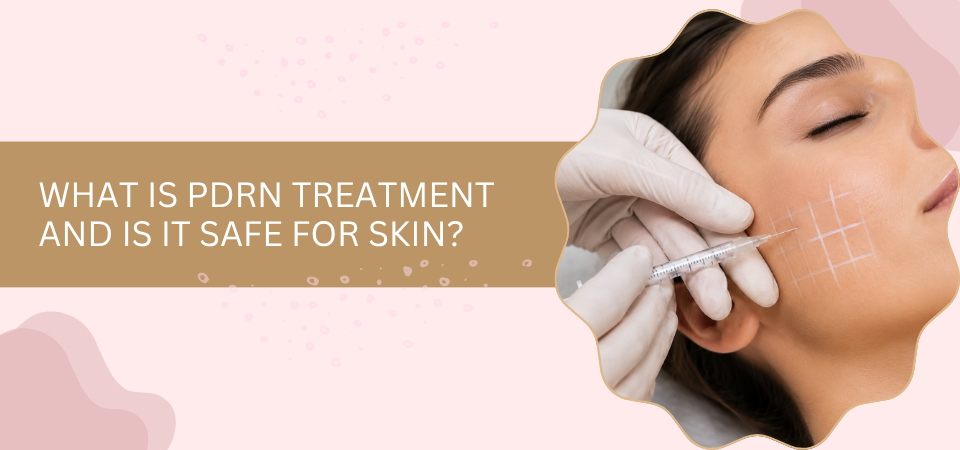
PDRN is short for polydeoxyribonucleotide. Purified DNA fragments, usually sourced from salmon sperm, injected into the skin to repair cells at a deep level. Triggers collagen. Lifts elasticity. Calms inflammation. Hydrates from within. Safety profile is strong because the fragments are biologically compatible with human skin.
According to Dr. Anju Methil, Dermatologist in Andheri, Mumbai, “Salmon sperm sounds dramatic. Patients flinch the first time they hear it. The truth is PDRN fragments are processed down to pure DNA, sterile and biocompatible. The body reads them as repair signals. We use it for dull skin, fine lines, post-acne marks, even early hair thinning. The safety record is excellent when it’s the genuine product administered correctly.”
How Does PDRN Treatment Work on Skin?
PDRN works because its DNA fragments mimic the body’s own repair signals. The skin reads them as instructions to rebuild, not foreign material to fight.
Several mechanisms kick in. Most patients see overlap between them within the first few sessions.
Collagen Boost: Adenosine receptors get activated, fibroblasts wake up, collagen production climbs steadily across 6 to 8 weeks.
Cellular Repair: Damaged skin cells take in the DNA fragments and use them as raw material to rebuild faster.
Anti-Inflammatory Action: Calms redness, soothes sensitised skin, useful for rosacea-prone and acne-prone patients alike.
Deep Hydration: Pulls water into the dermis. Plumps fine lines from underneath rather than just softening the surface.
For patients ready to start, a personalised PDRN treatment in Mumbai is built around individual concerns and skin type, not a one-size protocol.
Book your consultation today for the right treatment plan to experience the benefits of PDRN and achieve rejuvenated, healthier skin. Schedule your appointment with Dr. Anju Methil at Skin and Shape Clinic in Andheri today.
Is PDRN Treatment Safe for All Skin Types?
PDRN has one of the strongest safety records in regenerative skin care. Adverse reactions stay rare when the product is genuine and the protocol followed.
A few things worth knowing before booking. Most patients tolerate it well across skin types.
Biocompatible: DNA fragments are biologically inert. The body recognises them, allergic responses are extremely rare.
Minimal Downtime: Slight redness for a few hours, mild swelling at injection points, usually settled by the next morning.
Skin Type Range: Works across all Fitzpatrick types. Indian skin tones respond particularly well without pigmentation flare-ups.
Pregnancy Caution: Avoid during pregnancy and breastfeeding. Not from proven risk, just because long-term data isn’t there yet.
For another condition where genetic and immune factors shape how treatment responds, see vitiligo hereditary and what causes it.
Why Choose Dr. Anju Methil for PDRN Treatment
Dr. Anju Methil, founder of Skin and Shape Clinic and a dermatologist of 29+ years, offers PDRN as part of a broader regenerative skin protocol. Dosage, depth, and session spacing are calibrated to each patient’s skin concern. Genuine, clinic-procured product only — never sourced through unverified channels, which matters more with PDRN than most treatments.
FDA-approved equipment. Strict hygiene. Every session under direct medical supervision. Call +91 8779911797 to book.
FAQs
Is PDRN treatment painful? A mild prick at each injection point. Numbing cream applied beforehand keeps it manageable.
How many PDRN sessions do you need? Usually 4 to 6 sessions, spaced 2 to 3 weeks apart. Maintenance every few months after.
Can PDRN be combined with other treatments? Yes. Often paired with microneedling, peels, or LED therapy for stronger results.
When do PDRN results show? Mild improvement in 2 to 3 weeks. Full results around the 8 to 12 week mark.
References
- American Academy of Dermatology — https://www.aad.org/public/cosmetic/younger-looking/cosmetic-treatments-overview
- NIH / NCBI — https://www.ncbi.nlm.nih.gov/pmc/articles/PMC9954091/
