

Hives Treatment in Mumbai
Hives, also known as urticaria, are a common skin condition characterized by raised, red, itchy welts or bumps. These welts can appear anywhere on the body and often result from an allergic reaction, but they can also be triggered by various factors such as stress, medications, or environmental changes. Hives can range from mild to severe, causing discomfort and distress.
According to Dr. Anju Methil, a noted dermatologist in Mumbai, “Hives can be both physically and emotionally challenging, but with timely intervention and proper treatment, they can be controlled effectively.”
With 28+ years of experience in treating various skin conditions, Dr. Methil provides effective hives treatment in Mumbai, ensuring each patient receives tailored care. At Skin and Shape Clinic, she utilizes the latest diagnostic tools and treatment options to manage urticaria and other dermatological conditions, providing long-term relief and preventing recurrence.
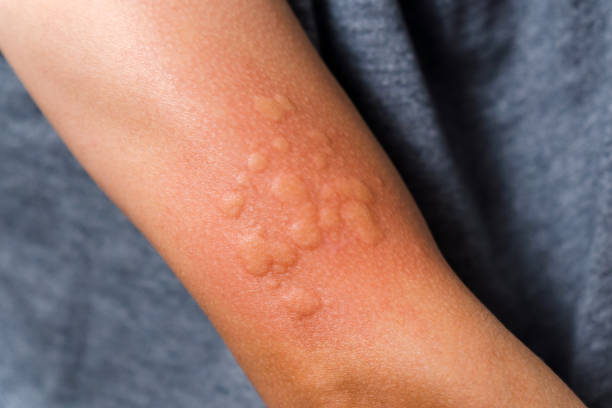
Dealing with hives? Reach out to a professional for a treatment plan tailored to your needs.
Now, let’s dive into the various types and causes of this condition and explore the best treatment options.
Types of Hives Treated by Dr. Anju Methil
Hives can be classified into different types based on duration, triggers, and severity. Dr. Anju Methil treats all types of hives with customized care, ensuring effective solutions for every patient. Some common types of hives include:
Acute Urticaria:(Tinea Pedis):
This type of hives lasts typically less than six weeks and often results from an allergic reaction, medications, or an insect sting. Acute hives are normally not severe and can be effectively controlled using antihistamines and other drugs.
Physical Urticaria:
These hives result from physical stimuli such as the effect of heat or cold, pressure, or exercise. Conditions that cause such hives include hot showers or even sweating.
Chronic Urticaria:
When hives persist for more than six weeks, they are considered chronic. Chronic hives may be associated with autoimmune disorders or other chronic health conditions and may require more extensive treatment.
Dermatographism:
A type of physical urticaria in which the hives appear after scratching the skin or applying pressure on it. It is often characterized by raised, red lines on the skin along which the scratching pattern follows.
Angioedema:
Even if it is considered neither a hive nor a rash, angioedema does involve the deeper layers of the skin and can cause swelling. This can particularly occur around the eyes, lips, or throat. This typically occurs alongside hives. In severe cases, it may require urgent care if it progresses to the throat.
Fungal infections can be frustrating, but they are treatable with the right care. Connect with an expert to begin your path to recovery today!
Wondering what’s causing your hives? Let’s explore the most common triggers and how they affect your skin.
Common Causes of Hives
Hives can be triggered by a variety of factors, including allergies and environmental changes. Here are some of the most common causes:
Allergic Reactions:
Foods, medications, insect stings, or pollen can trigger hives. Common allergens include shellfish, nuts, eggs, and certain antibiotics.
Infections:
Viral and bacterial infections, such as the common cold, can lead to hives, particularly in children.
Stress:
Emotional stress or anxiety can trigger or worsen hives by activating the body’s immune response.
Physical Stimuli:
Heat, cold, pressure, or even sunlight can provoke hives in some individuals. For example, sweating during exercise or wearing tight clothing can lead to hives in people with physical urticaria.
Autoimmune Disorders:
Conditions like lupus or thyroid disease can cause chronic hives as part of an autoimmune response.
Environmental Factors:
Extreme temperatures, humidity, or exposure to certain chemicals in skincare products can cause hives.
Hormonal Changes:
Pregnancy, menstruation, or other hormonal changes can trigger hives, especially in women.
Not sure which treatment works for your hives? Let’s explore the most effective options available.
Effective Hives Treatment Options at Skin & Shape Clinic
At Skin and Shape Clinic, Dr. Anju Methil provides a range of result-oriented hives treatment in Mumbai to help manage and eliminate hives. The treatment approach is tailored to the type of hives, the severity of the condition, and the patient’s medical history. Some of the most effective treatment options include:

Antihistamines:
These are used for the first-line treatment of acute urticaria and work to block histamine release, which causes itching and inflammation. These medications are available over-the-counter or by prescription.

Corticosteroids:
In more serious or persistent cases of hives, oral steroids or creams may be prescribed in order to alleviate the inflammation.

Biologic Therapies:
In cases of chronic hives, which are unresponsive to conventional therapies, a group of drugs known as biologics, such as omalizumab can be used to target the underlying immune response.

Immunosuppressive Drugs:
For chronic hives related to autoimmune conditions, immunosuppressive medications may be recommended to regulate the immune system.

Allergy Testing:
Dr. Methil offers comprehensive allergy testing to help identify potential triggers for your hives. This allows for a more targeted treatment approach and prevention plan.
Lifestyle and Dietary Changes:
In addition to medical treatments, Dr. Methil provides guidance on lifestyle modifications and dietary changes to help reduce the frequency and severity of hives.
Want to know the cost of treating your hives? Let’s look at the factors that affect treatment pricing.
Cost of Hives Treatment in Mumbai
The treatment cost for hives in Mumbai depends on the type of treatment, severity of condition and duration of care. At Skin & Shape Clinic, Dr. Anju Methil provides transparent pricing for every treatment. Some factors that influence treatment cost include:
Consultation Fees:
The cost of the initial consultation may depend upon the level of complexity and whether additional visits are required.
Medications:
The expense of antihistamines, corticosteroids and other medications may further contribute to the overall costs.
Allergy Testing:
If necessary, allergy tests may contribute to the treatment cost but it is often crucial to identify the triggers of the condition.
Biologic Therapies:
These treatments are relatively new and tend to be more expensive. They are usually used for chronic or severe cases.
While treatment costs can vary, addressing hives early is often more cost-effective in the long run, as it can prevent the condition from worsening or becoming chronic.
Worried about urticaria treatment costs? Get an estimate of your treatment plan by consulting with a professional to make informed decisions.
Why Choose Dr. Anju Methil for Hives Treatment?
Expert in Skin Conditions:
Dr. Anju Methil is a renowned skin specialist in Mumbai with years of experience in diagnosing and treating hives and other dermatological issues.
· Personalized Treatment Plans:
She offers customized treatment for hives, considering the type, severity, and triggers specific to each patient.
· State-of-the-Art Facility:
Dr. Methil’s Skin & Shape, an ultramodern skin clinic in Andheri, is equipped with advanced diagnostic tools and the latest treatments for effective management of hives.
· Comprehensive Approach:
She not only treats the symptoms of hives but also identifies the underlying causes to ensure long-term relief and prevent recurrence.

Expert in Skin Conditions:
Dr. Anju Methil is a renowned skin specialist in Mumbai with years of experience in diagnosing and treating hives and other dermatological issues.
· Personalized Treatment Plans:
She offers customized treatment for hives, considering the type, severity, and triggers specific to each patient.
· State-of-the-Art Facility:
Dr. Methil’s Skin & Shape, an ultramodern skin clinic in Andheri, is equipped with advanced diagnostic tools and the latest treatments for effective management of hives.
· Comprehensive Approach:
She not only treats the symptoms of hives but also identifies the underlying causes to ensure long-term relief and prevent recurrence.
FAQs
Hives can be triggered by allergens, infections, stress, physical stimuli, autoimmune disorders, or hormonal changes.
No, hives are not contagious and cannot be spread from person to person.
Treatments include antihistamines, corticosteroids, biologic therapies, and lifestyle changes to manage and prevent outbreaks.
Avoiding known triggers, managing stress, and maintaining good skincare practices can help prevent hives.
If hives persist for more than a few days, worsen, or are accompanied by swelling around the eyes or difficulty breathing, seek medical help immediately.
Acute hives often resolve on their own, but chronic hives may require medical treatment for relief.
While hives themselves are not typically dangerous, chronic hives may indicate an underlying health issue that requires attention.
Disclaimer: The information shared in this content is for educational purposes only and not for promotional use.