
What is HIFU Treatment and How Long Do Results Last?
July 10, 2026
Which Doctor Should I Consult for Hair Fall?
July 11, 2026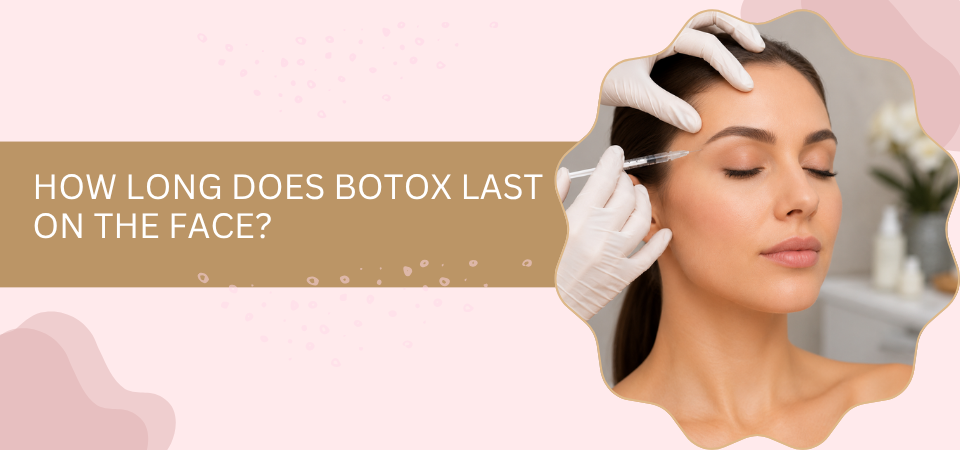
Botox typically lasts between 3 to 6 months on the face. It works by temporarily relaxing the muscles responsible for expression lines such as forehead creases, frown lines, and crow’s feet. The results are not permanent because the body gradually metabolises the protein and muscle movement returns over time. How long it lasts for any individual depends on the area treated, the dosage administered, the patient’s metabolism, and whether they have had previous sessions. First-time patients often notice the effects wearing off closer to the 3 month mark while regular patients tend to hold results longer with each subsequent session.
According to Dr. Anju Methil, skin specialist in Andheri, “Botox is not about freezing the face. When it is done well the face still moves naturally but the lines soften. The goal is to look rested not expressionless. Patients who maintain their schedule consistently tend to need less product over time because the muscles learn to stay relaxed.”
What Affects How Long Botox Lasts?
How long Botox lasts isn’t uniform across patients. A few factors determine whether someone holds results closer to the three-month mark or well past six months, and it’s worth understanding these before the first session.
Treatment Area: Smaller muscles like those around the eyes regain movement sooner than larger ones. Forehead muscles tend to hold results longer partly because the dosage required there is higher to begin with. Where the injections are placed influences duration just as much as the amount of product used.
Dosage and Technique: Getting the units right matters, but so does where exactly each unit goes. An experienced dermatologist reads the patient’s muscle strength and facial structure before deciding on placement. That precision is what keeps expression looking natural while the lines stay softened for the full duration of the product’s effect.
Metabolism: Patients who metabolise the protein faster will see results taper sooner. Intense exercise and highly active lifestyles tend to accelerate that process. It doesn’t mean Botox won’t work well for those patients. The results are the same, the timeline just compresses slightly.
Consistency of Sessions: Most patients don’t realise this until they’ve had a few rounds. Over time, regular Botox sessions train the treated muscles to stay relaxed for longer. Patients who keep a consistent schedule often find they need fewer units per visit and can space their appointments further apart as the months go on.
For patients looking for a personalised approach to facial rejuvenation, a Botox treatment plan at Skin and Shape Clinic is designed around your specific facial anatomy and aesthetic goals.
If you are curious about whether Botox is right for your concerns, Book a consultation today.
How to Make Botox Results Last Longer?
The session itself is only part of the equation. How patients look after their skin in the days and weeks following treatment has a direct influence on how long those results hold. These are the aftercare steps that consistently make a difference.
Avoid Touching the Area: Don’t rub, press, or massage the treated areas for at least 24 hours. The product needs that time to bind properly to the muscle receptors it was placed on. External pressure during this window can displace it to muscles that weren’t part of the treatment plan.
Stay Out of Extreme Heat: Saunas, hot yoga, and extended sun exposure within the first 48 hours increase blood flow to the face and can cause the Botox to break down faster than it otherwise would. Keeping things low-intensity for the first couple of days helps the product settle and hold its full duration.
Consistent Follow-Up Schedule: Scheduling the next session before the current one has fully worn off is one of the more effective ways to build lasting results. When sessions are timed well, the muscles stay relaxed continuously and each round builds on the previous one. Patients who maintain this rhythm often find they need fewer units over time.
Skincare and SPF: Botox works on the muscles underneath but it won’t protect the skin sitting on top. UV exposure breaks down collagen and ages the skin on its own timeline regardless of what’s happening at the muscular level. A daily routine with SPF 50 preserves the overall appearance that the treatment is working to maintain.
For a related read on another non-surgical treatment that stimulates collagen production over time, our blog on HIFU procedure for sagging skin explains how the treatment works and what to expect from the results.
Why Choose Dr. Anju Methil for Botox Treatment?
Dr. Anju Methil, founder of Skin and Shape Clinic, has been practising clinical dermatology for over 29 years and holds memberships in IADVL, IMA, and CDSI. Her approach to Botox doesn’t follow a fixed template. Before deciding on dosage or placement, she evaluates each patient’s facial expressions, muscle strength, and skin quality individually. Two patients with similar concerns can end up with different unit counts and injection points because their facial anatomy calls for it.
What patients appreciate most about her approach is that results always look natural. She focuses on softening the lines that age a face while keeping the movement that gives it character. That balance between visible improvement and natural expression is what brings patients back and what sets her work apart from a standard cosmetic protocol. Call +91 8779911797 to book your consultation.
FAQs
Does Botox hurt? A slight pinch at the injection site. Most patients tolerate it comfortably.
At what age should you start Botox? There is no fixed age. Preventive Botox can begin in the late 20s.
Can Botox look natural? Yes. When administered by an experienced dermatologist results look subtle.
How often should Botox be repeated? Every 3 to 6 months depending on how your muscles respond.
References
- NIH / NCBI — Botulinum Toxin in Facial Rejuvenation:
https://www.ncbi.nlm.nih.gov/pmc/articles/PMC6489637/ - NIH / PMC — Botox Duration of Effect in Facial Aesthetic Applications: https://www.ncbi.nlm.nih.gov/books/NBK80582/
Disclaimer: This blog is for informational and educational purposes only. If you are considering Botox treatment, consult a qualified dermatologist to determine whether it is suitable for your skin concerns and medical history.