


Can Uneven or Lumpy Lip Fillers Be Corrected
August 11, 2026
Is Exosome Therapy Better Than PRP for Hair Regrowth?
August 12, 2026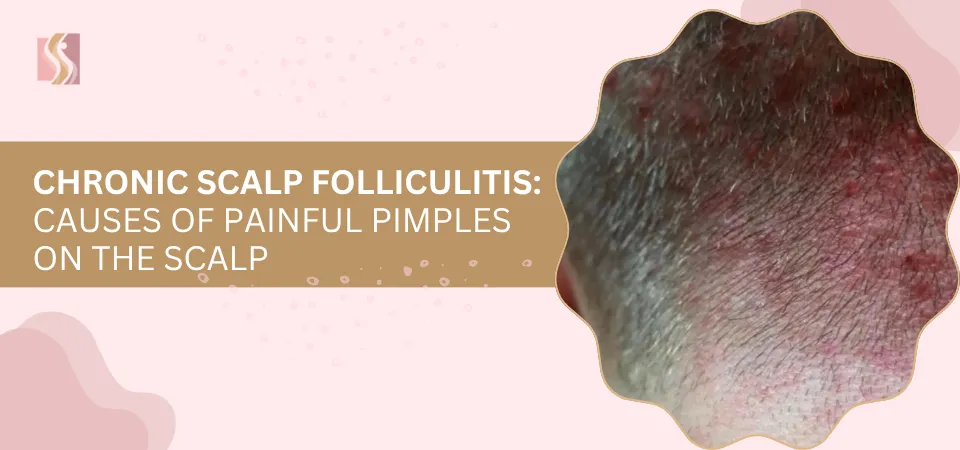
Chronic scalp folliculitis is a recurring inflammatory condition affecting scalp hair follicles, causing painful pimples, redness, itching, and irritation. At Skin and Shape Clinic, Dr. Anju Methil offers effective scalp folliculitis treatment in Mumbai by identifying underlying triggers and creating targeted treatment plans for healthier scalp conditions.
Dr. Anju Methil, a renowned dermatologist in Mumbai, focuses on personalised evaluation before recommending treatment. She shares, “Scalp conditions require understanding the root cause rather than only treating visible symptoms. A detailed scalp assessment helps create a more effective and sustainable treatment approach.”
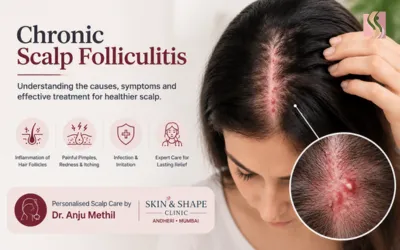
With 28+ years of experience, Dr. Methil provides advanced scalp care solutions at Skin and Shape Clinic, a leading skin clinic in Andheri, Mumbai. Her expertise in diagnosing complex scalp conditions helps create customised treatment plans focused on reducing inflammation, managing recurring flare-ups, and improving overall scalp health.
Why scalp pimples keep returning despite basic care? Let’s understand what chronic scalp folliculitis means and how it affects the scalp.
What Is Chronic Scalp Folliculitis?
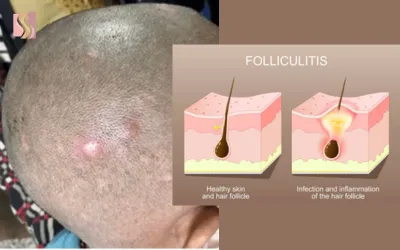
Chronic scalp folliculitis is a long-term inflammatory condition where scalp hair follicles repeatedly become irritated and inflamed. It can cause recurring pimples, tenderness, itching, redness, and discomfort around affected follicles. Unlike temporary scalp irritation, this condition often requires proper diagnosis and targeted scalp folliculitis treatment.
The inflammation may occur due to microorganisms, oil buildup, immune responses, or external triggers affecting the scalp environment. In some cases, repeated inflammation can impact scalp health and contribute to temporary hair shedding.
Wondering what triggers recurring scalp inflammation? Let’s explore the common scalp folliculitis causes behind painful scalp pimples.
What Causes Chronic Scalp Folliculitis?
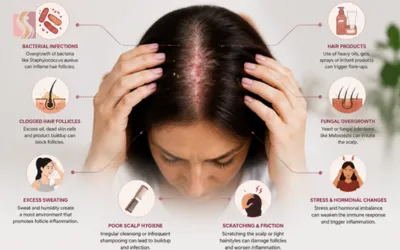
Several factors can contribute to chronic scalp folliculitis, including:
- Bacterial or Fungal Overgrowth
An imbalance of microorganisms on the scalp can trigger inflammation around hair follicles, leading to recurring bumps and irritation.
- Excess Oil Production
Increased scalp oil can clog follicles and create an environment where inflammation develops more easily.
- Sweat and Product Buildup
Heavy styling products, sweat, and improper scalp cleansing may contribute to blocked follicles.
- Friction and Irritation
Frequent helmet use, tight hairstyles, or harsh brushing can irritate the scalp and worsen follicle inflammation.
- Sensitive Scalp Conditions
Individuals with sensitive skin or certain dermatological conditions may be more prone to scalp inflammation.
- Improper Hair Care Practices
Using unsuitable hair products or excessive chemical treatments may affect scalp balance.
Dr. Anju Methil, an esteemed skin specialist in Mumbai, explains, “Managing scalp inflammation requires identifying individual triggers. A treatment plan should address both the active condition and the factors contributing to recurrence.”plan should address both the active condition and the factors contributing to recurrence.”
Not sure if your scalp bumps indicate folliculitis? Let’s discover the common symptoms that may help identify this condition.
What Are the Symptoms of Chronic Scalp Folliculitis?
Common signs of chronic scalp folliculitis include:
· Painful pimples or bumps on the scalp
· Redness around hair follicles
· Itching or burning sensation
· Scalp tenderness or sensitivity
· Small pus-filled bumps
· Crusting or scabbing in affected areas
· Increased discomfort while brushing or touching the scalp
· Recurring scalp breakouts
· Temporary hair shedding in affected areas
Concerned about hair shedding along with scalp pimples? Let’s understand the connection between follicle inflammation and hair health.
Can Chronic Scalp Folliculitis Cause Hair Loss?
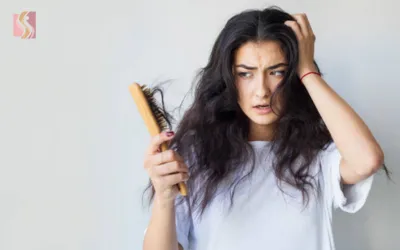
Chronic scalp folliculitis may contribute to temporary hair shedding when inflammation affects healthy hair follicles. In severe or untreated cases, repeated inflammation may impact follicle health and increase the risk of scarring.
Early diagnosis and appropriate scalp folliculitis treatment can help protect scalp health and reduce complications.
Confused between scalp acne and folliculitis? Let’s compare these conditions to understand their differences.
Is Scalp Folliculitis the Same as Scalp Acne?
Scalp folliculitis and scalp acne may appear similar but have different underlying causes and treatment approaches. The table below highlights their key differences, including triggers, symptoms, and management options.
| Feature | Scalp Folliculitis | Scalp Acne |
| Main Cause | Inflammation of hair follicles due to bacteria, fungi, or irritation | Blocked pores and excess oil production |
| Appearance | Small inflamed bumps around hair follicles | Acne-like pimples, blackheads, or clogged pores |
| Common Symptoms | Itching, tenderness, redness, painful bumps | Pimples, oiliness, occasional soreness |
| Treatment Approach | Requires targeted scalp folliculitis treatment based on cause | Focuses on acne management and pore control |
Although both conditions can cause pimples on the scalp, their causes and treatment approaches may differ.
How can recurring scalp inflammation be managed? Let’s explore the treatment options used for chronic scalp folliculitis.
What Are the Treatment Options for Chronic Scalp Folliculitis?
The right scalp folliculitis treatment depends on the underlying cause, severity, and individual scalp condition. A dermatologist may recommend a combination of approaches after evaluating the scalp.
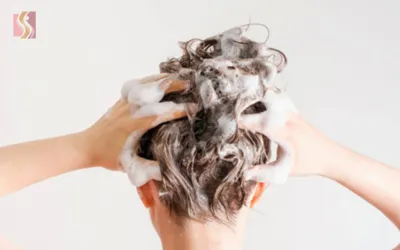
Medical Shampoos and Scalp Care Products
Specialised shampoos containing antifungal, antibacterial, or anti-inflammatory ingredients may help reduce irritation and maintain scalp balance.

Topical Treatments
Prescription creams, lotions, or scalp solutions may be recommended to control inflammation and manage microbial imbalance.

Oral Medications
In moderate to severe cases, oral medicines may be considered to address persistent infection or inflammation under medical supervision.
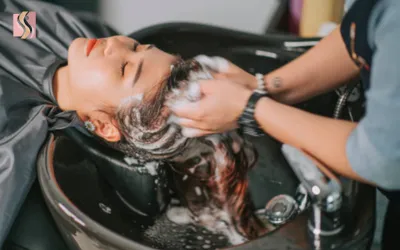
Scalp Hygiene Management
Maintaining a clean scalp and using suitable hair products can help reduce buildup and prevent recurrence.
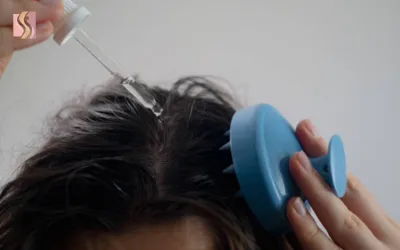
Treatment for Associated Hair Concerns
If scalp inflammation contributes to hair shedding, additional hair restoration approaches may be considered based on individual needs.
Lifestyle and Hair Care Modifications
Avoiding triggers such as harsh products, excessive oil buildup, and tight hairstyles can support long-term scalp health.
Dr. Anju Methil focuses on identifying the underlying cause before recommending treatment. A personalised approach helps address the condition while reducing the chances of repeated flare-ups.
What habits may be making scalp inflammation worse? Let’s discover common mistakes that can trigger flare-ups.
Common Mistakes That Can Worsen Scalp Folliculitis
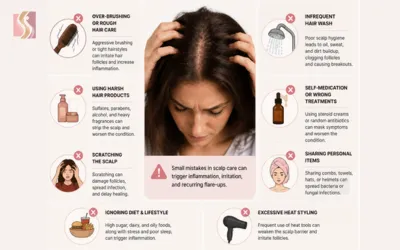
· Using Harsh Hair Products
Strong chemicals and unsuitable products may irritate the scalp and worsen follicle inflammation.
· Overwashing the Scalp
Excessive cleansing can disturb the scalp barrier and increase sensitivity.
· Ignoring Early Symptoms
Delaying treatment may allow inflammation to become more persistent.
· Picking or Scratching Scalp Pimples
This can increase irritation, spread bacteria, and delay healing.
· Applying Heavy Oils on an Inflamed Scalp
Excess oil may contribute to buildup and blocked follicles in some individuals.
· Self-Medicating Without Diagnosis
Using incorrect treatments may mask symptoms without addressing the actual cause.
Want to reduce the chances of recurring scalp bumps? Let’s explore simple steps that support scalp health.
How Can You Prevent Scalp Folliculitis From Coming Back?
Use gentle scalp cleansing products suitable for your scalp type
Avoid excessive use of heavy styling products
Keep hair tools and accessories clean
Avoid scratching or irritating inflamed areas
Wash the scalp after excessive sweating
Follow the treatment plan recommended by a specialist
Wondering how long scalp folliculitis takes to improve? Let’s understand the expected healing timeline.
How Long Does Chronic Scalp Folliculitis Take to Heal?
The healing time for chronic scalp folliculitis varies depending on the severity, underlying cause, and response to treatment.
- Mild cases may improve within a few weeks with proper care.
- Recurrent or chronic cases may require longer-term management.
- Consistent treatment and avoiding triggers play an important role in preventing recurrence.
Factors that influence recovery include scalp condition, treatment adherence, lifestyle habits, and whether contributing factors are properly addressed.
Not sure when scalp pimples need medical attention? Let’s explore when expert advice is important.
When Should You Consult a Dermatologist for Scalp Folliculitis?
H2: When Should You Consult a Dermatologist for Scalp Folliculitis?
You should consider consulting a dermatologist if you experience:
- Recurring painful pimples on scalp
- Persistent itching or irritation
- Pus-filled bumps or crusting
- Increasing scalp sensitivity
- Hair shedding along with scalp inflammation
- Symptoms that do not improve with basic scalp care
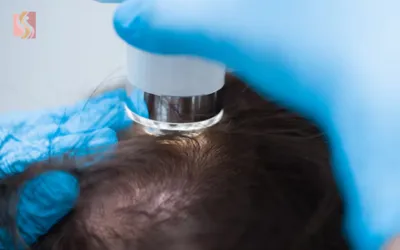
A professional evaluation helps identify whether the condition is caused by bacteria, fungi, irritation, or another scalp disorder.
Seeking specialised care for scalp inflammation? Let’s explore what makes Dr. Anju Methil’s approach different.
Why Choose Dr. Anju Methil for Chronic Scalp Folliculitis Treatment in Mumbai?

Expert Guided Care
Dr. Anju Methil brings extensive dermatological expertise in diagnosing and managing complex scalp and skin conditions.
Detailed Scalp Evaluation Approach
She focuses on identifying the root cause of inflammation rather than only managing visible symptoms.
Evidence-Based Treatment Methods
Recommendations are based on clinical evaluation and suitable treatment approaches for long-term improvement.
Comprehensive Skin and Hair Expertise
As a seasoned dermatologist & cosmetologist in Mumbai, Dr. Methil provides a complete approach to skin and scalp concerns.
Focus on Preventing Recurrence
Treatment plans include guidance on scalp care habits to help reduce repeated flare-ups.
Professional Clinical Environment
Skin and Shape Clinic offers specialised dermatology care in a modern skin clinic in Andheri, Mumbai.
Frequently Asked Questions
1. Are pimples on scalp always folliculitis?
No, scalp pimples can occur due to acne, irritation, infections, or other scalp conditions.
2. Is scalp folliculitis contagious?
Most cases are not contagious, but the cause determines whether any infectious component is involved.
3. Can scalp folliculitis go away permanently?
With proper treatment and trigger management, many people can achieve long-term improvement, though recurrence is possible.
4. What is the best treatment for scalp folliculitis?
Treatment depends on the cause and may include medicated shampoos, topical treatments, medications, and scalp care modifications.
5. Can scalp folliculitis return after treatment?
Yes, recurrence may happen if underlying triggers are not identified and managed.
Disclaimer: The information shared in this content is for educational purposes and not for promotional use.
